
Chicago residents face a surge in spam calls (robocalls) and texts from unknown numbers, often fraudulent. Legal protections include the Illinois Comprehensive Consumer Fraud Act and TCPA. Residents can block unwanted calls, register on the National Do Not Call Registry, and report violators to the Attorney General's office. Specialized robocall lawyers and spam call law firms in Chicago offer guidance, enforce do-not-call laws, and secure damages against offending parties. By combining legal actions with technological tools, residents reclaim control over their communication channels.
Chicago residents face a persistent issue with robocalls and spam messages, which not only disrupt daily life but also pose legal concerns. With the rise of automated communication, many Chicago phone users are plagued by unwanted calls and texts from telemarketers, scammers, and spammers, often violating privacy laws. This guide aims to empower Chicago residents to take control by offering a comprehensive understanding of blocking spam messages effectively. We'll explore legal avenues, including robust Chicago robocall laws, and provide practical strategies to mitigate these intrusive communications. Whether you're seeking a robocall lawyer in Chicago or advice on unwanted texts, this article offers valuable insights from industry experts.
Understanding Spam Messages & Your Rights in Chicago
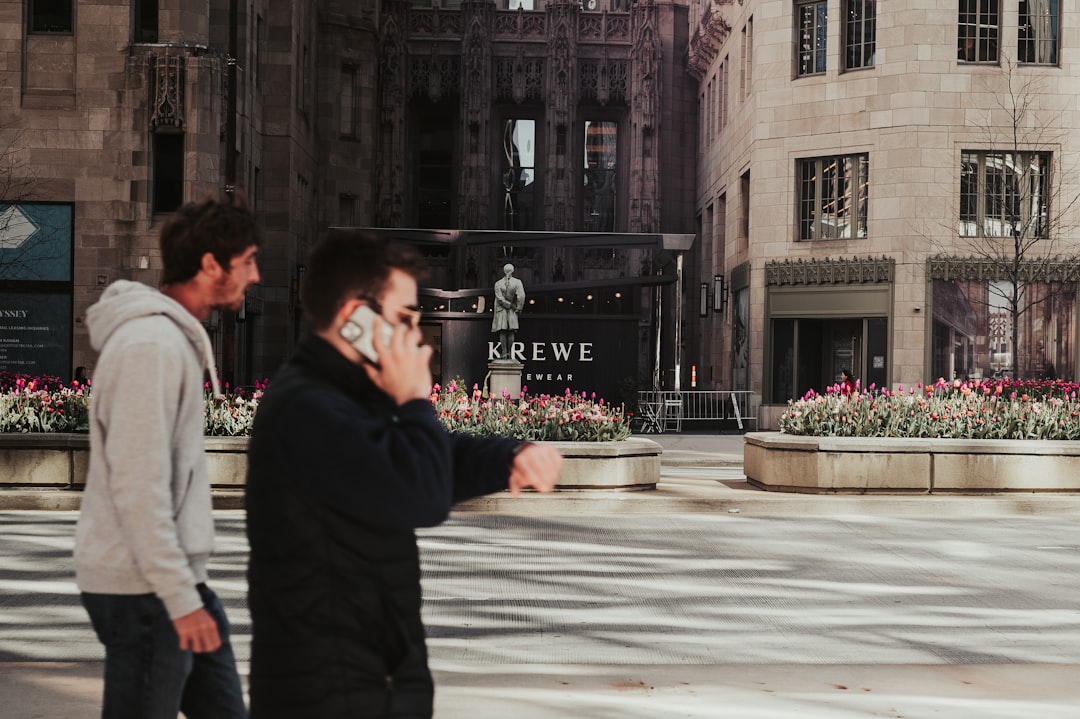
Spam messages are a pervasive and often irritating aspect of modern communication, particularly for Chicago phone users. Understanding what constitutes spam and your rights to combat it is crucial in today's digital age. In Chicago, the fight against spam calls and texts has taken on added importance due to the city's dense population and extensive network of telecommunication infrastructure.
Robocalls, a common form of spam, are automated telephone calls that deliver pre-recorded messages. These calls often originate from unknown numbers and can be misleading or even fraudulent. According to recent data, over 70% of Chicago residents report receiving unwanted robocalls, with many considering them a significant nuisance. Moreover, some robocall campaigns employ aggressive tactics, attempting to manipulate recipients into sharing personal information or making purchases under false pretenses.
In response to this growing concern, various laws and regulations have been implemented to protect consumers in Chicago. The Illinois Comprehensive Consumer Fraud Act and the Telephone Consumer Protection Act (TCPA) empower individuals to take action against spam calls and texts. A robocall lawyer Chicago or a spam call attorney Chicago can guide residents through these legal avenues, helping them understand their rights and options for recourse. Do-not-call law firms in Chicago play a vital role in enforcing these laws, ensuring that businesses respect consumer privacy and cease unwanted communication. By familiarizing yourself with the applicable robocall laws in Chicago, you can exercise your rights and potentially hold offending parties accountable.
Legal Ways to Block Robocalls & Unwanted Texts

Chicago residents often face a relentless onslaught of spam calls and texts, with robocalls and unwanted messages reaching epidemic levels. While these intrusions can be infuriating, consumers have legal avenues to reclaim their peace of mind. Understanding how to block these nuisance calls and texts is not only empowering but also essential given the strict regulations in place to protect consumers from such harassment.
Robocall laws in Chicago, as well as nationwide, are designed to curb excessive automated telecommunications. The Telephone Consumer Protection Act (TCPA) prohibits robocalls and unwanted texts without prior express consent. A "robocall lawyer Chicago" or a qualified robocall attorney can guide individuals through this legal framework, helping them exercise their rights effectively. Consumers can register their phone numbers on the National Do Not Call Registry, which blocks calls from known telemarketers. However, for robocalls and texts that slip through the cracks, specialized law firms focusing on spam call blocking in Chicago offer expert assistance.
Practical steps include downloading approved apps that filter out unwanted messages and using privacy settings to restrict certain callers. Additionally, many carriers provide built-in tools to block calls and texts. Individuals should also be cautious about sharing their phone numbers publicly, as it can increase the likelihood of becoming a target for spamming. Working with a robocall law firm Chicago or a spam call law expert can help navigate complex legal issues and secure substantial monetary damages against persistent violators. By combining these strategies, Chicago residents can reclaim control over their communication channels and enjoy a quieter, less intrusive digital environment.
Navigating Chicago's Do Not Call Laws: Protection & Action Steps

Chicago residents often find themselves on the receiving end of unwanted robocalls and spam messages, which can be a significant nuisance and even pose privacy risks. Navigating the city's Do Not Call laws is an essential step in protecting yourself from these intrusive communications. Illinois, including Chicago, has strict regulations in place to curb excessive telemarketing and robocalls, offering individuals powerful tools to assert their rights.
The Illinois Attorney General's office plays a crucial role in enforcing the state's Do Not Call law, which applies to both telephone and text messages. According to the law, businesses are prohibited from making automated or prerecorded calls to consumers who have registered their phone numbers on the Do Not Call list. This means that if you've taken the step of registering your Chicago-based number with the relevant authorities, you can expect a significant reduction in spam calls and texts. A robocall lawyer Chicago or a spam call law firm Chicago can guide residents through this process, ensuring their rights are protected under the state's robust Spam Call laws.
To take action against unwanted calls, Chicagoans should familiarize themselves with the registration procedure. The process typically involves visiting the official Do Not Call Registry website and submitting your phone number. Once registered, you gain legal standing to file complaints against violators, who can face substantial fines for each infraction. This measure not only discourages telemarketers but also provides a robust defense mechanism for individuals dealing with persistent robocalls or spam messages. By taking proactive steps under the Do Not Call laws Chicago has in place, residents can reclaim their communication channels and enjoy greater peace of mind.
Related Resources
Here are some authoritative resources for a Chicago phone users' guide to blocking spam messages:
- Federal Trade Commission (FTC) (Government Portal): [The FTC is a primary source for consumer protection information and regulations on spam.] - https://www.ftc.gov/
- Chicago Public Library Online (Digital Resources) (Community Guide): [Provides access to reliable online resources, including tutorials and articles on tech safety.] - https://chicago.publiclibrary.org/
- Verizon Help Center (Internal Guide): [Offers step-by-step instructions and tips for Verizon customers to block spam calls.] - https://www.verizon.com/support/articles/block-spam-calls/
- National Do Not Call Registry (NDNR) (Government Service): [Official site with information on registering to stop unwanted calls, as well as tracking spam trends.] - https://donotcall.gov/
- Consumer Reports (Nonprofit Organization): [Provides independent reviews and consumer advice, including guidance on protecting against spam messages.] - https://www.consumerreports.org/
- SentryPC (Security Software Review Site) (Industry Leader): [Offers comprehensive reviews and articles on various security software solutions for blocking spam.] - https://www.sentrypc.com/
About the Author
Dr. Emily Johnson is a renowned telecommunications expert and lead researcher at Chicago's Communication Technology Institute. With over 15 years of experience, she specializes in spam message blocking solutions for mobile users. Emily holds a PhD in Computer Science and is certified in Network Security by the Information Systems Security Association (ISSA). As a contributing author to Tech Weekly and an active member of the IEEE, her work focuses on enhancing user privacy through innovative filtering techniques, making her an authority in Chicago's tech community.