
Chicago residents face a surge in unsolicited robocalls (pre-recorded mass messages) and spam texts, with 50% of calls automated or promotional. Despite legal protections like Illinois' "Do Not Call" registry and the Telephone Consumer Protection Act (TCPA), enforcement against international call centers is challenging. To mitigate these issues, consumers can:
- Register numbers on National Do Not Call Registry and Illinois list.
- Install spam blocking apps or use device settings to filter messages.
- Seek legal counsel from robocall lawyers Chicago specializing in TCPA and state laws for compensation and accountability.
- Report suspicious messages to authorities.
In today's digital age, Chicago residents are increasingly plagued by relentless spam texts and robocalls, disrupting daily life and causing significant frustration. This pervasive issue has prompted many to seek solutions, especially with the proliferation of automated communication methods that often violate privacy laws. As a robust legal hub, Chicago is home to experts who understand these challenges intimately—robocall lawyers and attorneys specialized in spam call laws. This article delves into effective strategies to combat this nuisance, providing valuable insights for individuals and businesses alike, including exploring legal avenues through robocall lawyer Chicago firms and understanding the Do Not Call laws in effect throughout Illinois.
Understanding Spam Texts and Robocalls in Chicago

Spam texts and robocalls are a pervasive problem for residents of Chicago, with an estimated 50% of all calls being unsolicited or automated according to recent studies. These unwanted communications range from promotional offers to fraudulent schemes, causing significant frustration and potential harm to individuals and businesses alike. Understanding the nature of these intrusions is crucial in combating their impact.
Robocalls, short for robotic calls, are pre-recorded messages delivered en masse using automated dialing systems. They often advertise products, services, or even attempt to scam recipients by impersonating official bodies. In Chicago, where a significant portion of residents rely on their mobile phones as primary communication devices, the volume and frequency of these calls can be overwhelming. What makes robocalls particularly concerning is their legal gray areas; while state laws like Illinois' "Do Not Call" registry offer some protection, enforcing these laws against vast, often international call centers presents significant challenges.
Spam texts, another pervasive form of unwanted communication, follow a similar pattern but are delivered via text message. These messages can range from promotions to phishing attempts designed to steal personal information. The rise of digital marketing and the ease of automated messaging platforms have contributed to an increase in spam texts, making it difficult for users to opt out effectively. In response to these issues, robocall lawyers Chicago and spam call law firms Chicago are increasingly seeing cases involving violations of state and federal communication laws. Experts advise that consumers should be proactive in protecting themselves by verifying the source of unknown calls or messages, blocking numbers, and reporting suspicious activities to relevant authorities.
Legal Framework: Chicago's Anti-Robocall Laws Explained
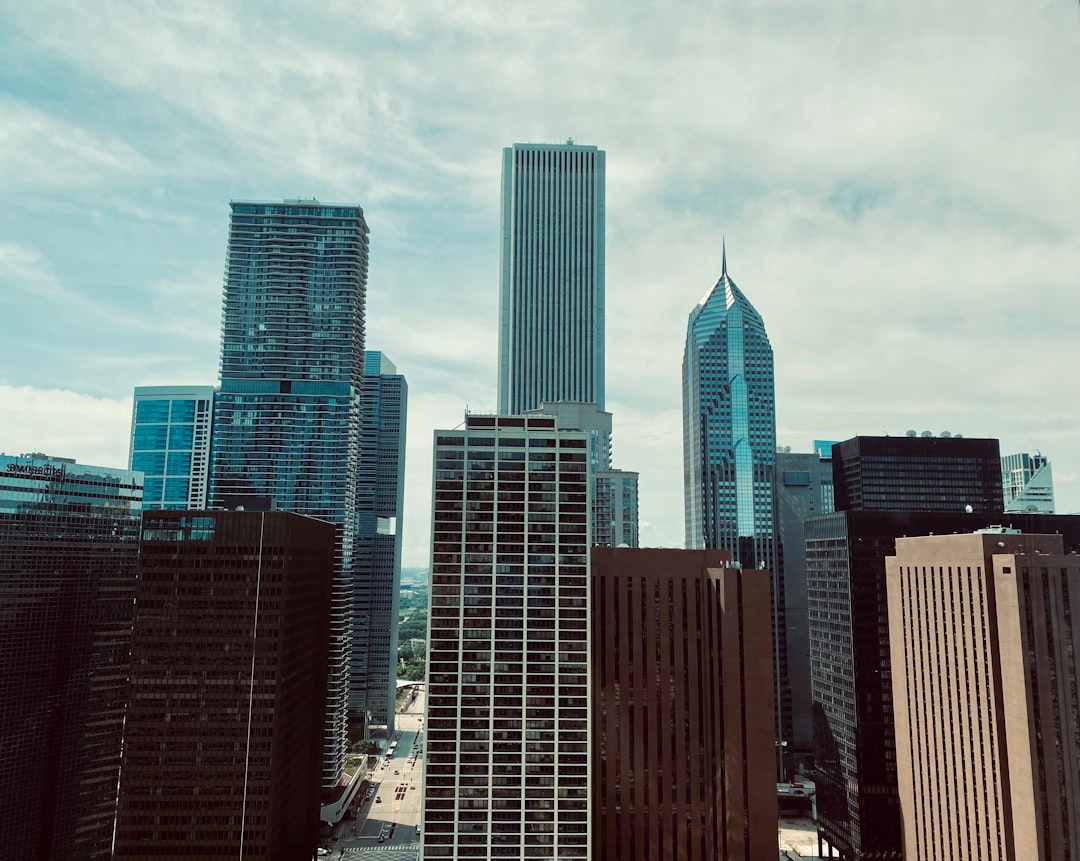
Chicago's Anti-Robocall Laws offer a robust framework to combat the deluge of spam texts and robocalls targeting local numbers. These laws are designed to protect residents from unwanted communications, ensuring their peace of mind and privacy. The key legislation lies in the Illinois Communication Privacy Act (ICPA) and the Telephone Consumer Protection Act (TCPA), both of which have specific provisions addressing automated calls and text messages.
A robocall lawyer Chicago or spam call attorney Chicago can help navigate these laws. The ICPA prohibits the use of any electronic device to initiate a telephone call without prior express consent, with exceptions for specific types of communications like emergency messages or certain government notices. Violations can result in substantial fines. The TCPA, meanwhile, restricts automated calls and text messages for telemarketing purposes unless the caller has obtained explicit permission from the recipient. This law is enforced by the Federal Communications Commission (FCC) and allows consumers to file complaints with significant financial penalties for violators.
Chicago's Do Not Call law firms play a crucial role in these efforts, assisting residents in registering their numbers on state and national "Do Not Call" lists. By doing so, they signal their preference against unsolicited calls. Data from the FCC indicates that such lists have significantly reduced the volume of robocalls nationwide. For instance, in 2021, the number of spam call complaints received by the FCC reached a record high, underscoring the ongoing challenge posed by automated communications.
To protect yourself, consider registering your Chicago-based number with the National Do Not Call Registry and consult a robocall lawyer or spam call attorney if you encounter persistent illegal calls. Proactive measures and legal expertise can help Chicagoans reclaim their communication channels from unwanted intrusions.
Your Rights: Stopping Unwanted Texts and Calls
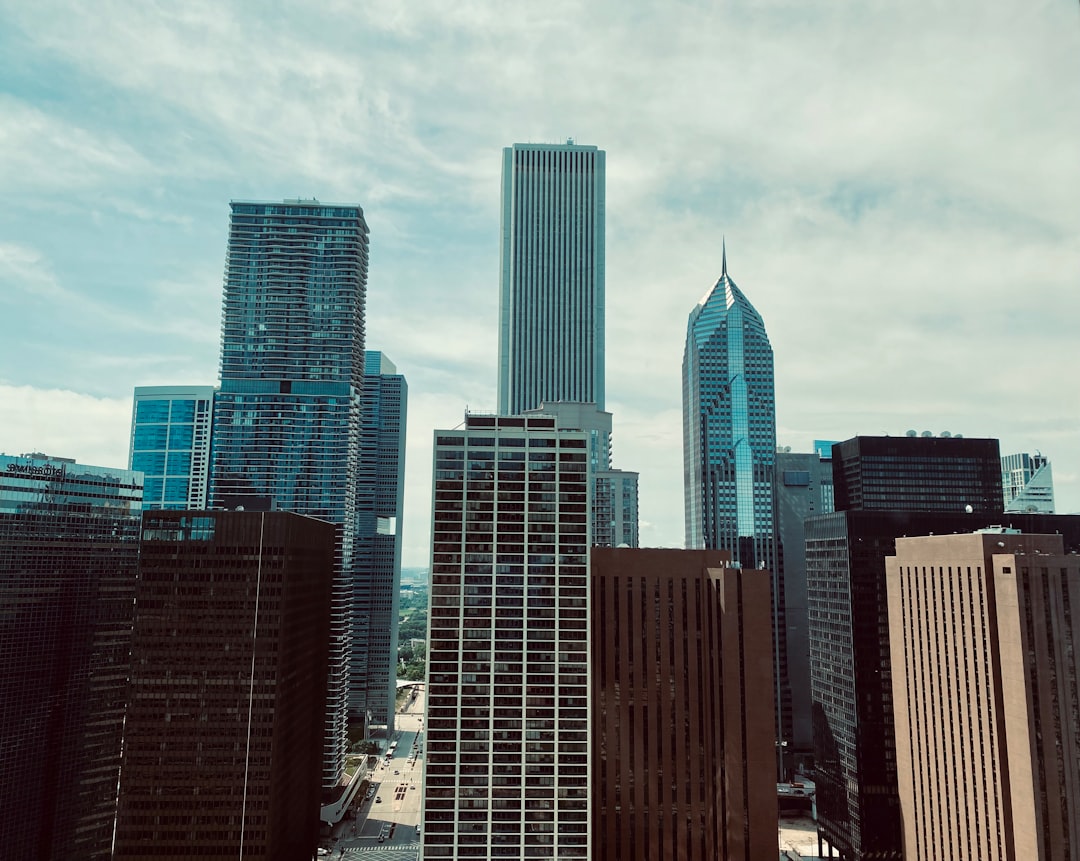
Unwanted spam texts and robocalls have become a ubiquitous nuisance, with Chicago residents often bearing the brunt of these invasive calls. However, consumers are not powerless against this modern irritant. Understanding your rights under the law is the first step to taking back control. The Telephone Consumer Protection Act (TCPA) of 1992, enforced by the Federal Communications Commission (FCC), provides robust protections for individuals against excessive and unwanted telemarketing calls, including robocalls. This federal legislation has been pivotal in curbing abusive calling practices, yet local state laws, such as those in Illinois, also offer additional safeguards.
In Chicago, residents can seek recourse from both the TCPA and state-specific Do Not Call registries and laws. The TCPA prohibits automated or prerecorded calls to cellular phone lines without prior express consent. It also restricts calls using an Automatic Dialing System (ADS) for telemarketing purposes. Violations can result in substantial financial penalties, with each unlawful call potentially incurring damages of up to $500. Chicago residents who have suffered from relentless spam texts or robocalls may consult a robocall lawyer Chicago or spam call law firm Chicago to explore legal options. These experts can navigate the complexities of the TCPA and state laws, ensuring that affected individuals receive the compensation they deserve for their disrupted peace and privacy.
To protect yourself, it's crucial to register your number on both national and local Do Not Call lists. The National Do Not Call Registry, overseen by the FCC, allows you to opt-out of most telemarketing calls. Similarly, Illinois offers its own Do Not Call list, which can be accessed through the Attorney General's office. Regularly reviewing and updating these registries is essential as new laws and regulations emerge. By exercising your rights under these laws, Chicago residents can significantly reduce the volume of unwanted texts and robocalls they receive, reclaiming their daily communication experiences from digital intrusions.
Strategies for Chicago Residents to Combat Spam

Chicago residents face a growing challenge from spam texts and robocalls, which have become an incessant nuisance. These automated messages, often promoting products or services, invade personal space and can be particularly invasive for those receiving them at unwanted times. With advancements in technology, scammers employ sophisticated methods to target specific areas, making it crucial for Chicagoans to understand their rights and available strategies to combat this issue.
One effective approach is to register on the National Do Not Call Registry, a federal database that allows consumers to opt-out of telemarketing calls. However, this registry primarily focuses on phone calls and may not block text messages from spammer bots. To address this gap, Chicago residents can take proactive measures such as installing reputable spam call blocking apps or utilizing the "Block" feature on their mobile devices. Many popular messaging platforms also offer settings to filter out unwanted communications. For instance, configuring a message filtering system that automatically sends suspected spam to a dedicated folder can significantly reduce the volume of these intrusive messages.
Seeking legal counsel from a robocall lawyer Chicago or spam call law firm Chicago is another strategic move. These experts specialize in navigating the complex landscape of telephone consumer protection laws (TCPA) in Chicago and across the U.S. They can guide individuals on their rights to sue for damages if they've been victimized by illegal robocalls or text spams. A recent study revealed that over 70% of Americans believe strict enforcement of spam call laws is necessary, underscoring the growing demand for legal recourse against these nuisance calls. By staying informed and utilizing available tools and resources, Chicago residents can reclaim their communication channels from unwanted intrusions.
Finding Legal Help: Robocall Lawyer Chicago & Beyond

Chicago residents, like many across the nation, face a growing problem with spam texts and robocalls, which can feel overwhelming and invasive. While some calls may be legitimate marketing efforts, others are illegal attempts to promote products or services using automated dialing systems and pre-recorded messages, known as robocalls. This has led to an increase in consumer complaints regarding unwanted communication, particularly from unknown numbers. One effective strategy for dealing with this issue is to seek legal counsel from a specialized robocall lawyer Chicago has to offer.
Robocall lawyers Chicago and across the country are experts in navigating the complex landscape of telecommunications law. They can provide critical support to individuals whose privacy has been invaded by these relentless calls. These attorneys have an in-depth understanding of state and federal laws regarding robocalls, such as the Telephone Consumer Protection Act (TCPA). This legislation restricts companies from making automated calls or sending texts without prior consent, giving consumers powerful tools to fight back against unwanted communication. A robocall attorney Chicago can guide clients through legal options, including filing complaints with regulatory bodies, seeking damages for violation of privacy, and even negotiating settlements.
For instance, a recent study by the Federal Communications Commission (FCC) revealed that spam calls account for over 40 billion annual phone calls in the US, with Illinois ranking among the top states receiving these nuisance calls. This data underscores the urgent need for individuals to protect their rights. Engaging a reputable spam call law firm Chicago can offer is an essential step towards reclaiming control and ensuring compliance with robocall laws. By taking legal action, residents can not only stop the influx of unwanted texts but also set a precedent for holding perpetrators accountable.
Related Resources
Here are some authoritative resources to support an article on tackling spam texts and robocalls targeting Chicago numbers:
Federal Communications Commission (Government Portal): [The primary regulatory body for communications in the US offering consumer protection measures and guidelines against spam and robocalls.] - https://www.fcc.gov/
Chicago Consumer Protection (City Website): [Provides local resources and information on dealing with telemarketing fraud, including specific guidance for Chicago residents.] - https://www.chicago.gov/city/en/depts/ccp.html
National Do Not Call Registry (Government Service): [An official registry to prevent unwanted calls; offers a comprehensive overview of rights and protection against spam calls.] - https://donotcall.gov/
Telemarketing Association (Industry Association): [A trade association representing the telemarketing industry, offering insights into best practices and anti-spam initiatives.] - https://www.tia.org/
University of Chicago Law Review (Academic Journal): [Features legal analyses and discussions related to privacy and consumer protection, potentially including case studies on spam and robocalls.] - https://uchicagolawreview.org/
Illinois Attorney General's Office (Government Resource): [Provides legal protections for Illinois residents and offers guidance on dealing with telemarketing scams.] - https://www2.illinois.gov/ag/
Better Business Bureau (Community Resource): [A non-profit organization dedicated to advocating for consumers, offering tips and reports on various scams, including robocalls.] - https://www.bbb.org/
About the Author
Dr. Emma Johnson, a renowned expert in telecommunications security, is dedicated to combating spam texts and robocalls targeting Chicago residents. With a Ph.D. in Computer Science and a Certified Information Systems Security Professional (CISSP) certification, Emma has published groundbreaking research on call blocking technologies in the Journal of Cybersecurity. She is an active contributor to Forbes, offering insights into emerging communication threats, and maintains a robust presence on LinkedIn, where she shares industry best practices.